The Municipal Electric and Gas Alliance (MEGA) started as a pilot project between Tompkins and Tioga counties to test whether local governments can save money by aggregating their energy supply needs, eventually growing into a nonprofit local development corporation designed specifically to serve the energy needs of local governments, schools, and special districts across New York State. Knowing our customers has been critical to our success over the past 27 years.
Local government in New York State is complex, reflecting centuries of historical community development. Unlike some states with simple structures, New York has overlapping layers of government. As a result, residents often receive services from and pay taxes to several different municipalities at once. Understanding this system requires examining both the structure of general-purpose local governments (counties, cities, towns, and villages) and the specialized institutions of school districts and Boards of Cooperative Educational Services (BOCES).
Counties

New York is divided into 62 counties, including the five corresponding to New York City’s boroughs. Counties handle broad regional responsibilities such as courts, social services, public health, and the maintenance of county roads. New York City is unique: while technically containing five counties, its government consolidates most county functions into one city administration. Pictured: Saratoga County
Cities
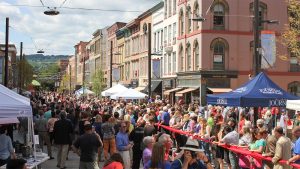
New York has 62 cities. Each city is incorporated to provide a full suite of municipal services: police and fire protection, sanitation, zoning, and local public works. Cities vary in their internal governance and may operate under a Mayor, a City Manager, or a small group of commissioners. City councils are the legislature within cities that pass local laws and approve spending. Pictured: Ithaca Commons, City of Ithaca
Towns

There are 933 towns in New York that cover the unincorporated (not part of a city government) parts of counties and deliver general local services such as waste collection and maintenance of local roads. Every part of New York State is within a town unless it is part of an incorporated city. Pictured: Vestal Museum, Town of Vestal
Villages

There are over 500 incorporated villages in New York. Villages allow smaller communities to organize more services like water systems, street lighting, and sewage. Village residents must pay both town and village taxes to support overlapping jurisdictions. Pictured: Falling Waters Preserve, Village of Saugerties
Special Districts
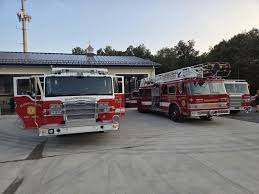
New York State is filled with special districts created for specific functions. Fire, sewer, and water districts are common examples. These entities can levy taxes and operate independently to efficiently deliver targeted services, often crossing town or county boundaries. Pictured: Bloomingburg Fire District
School Districts

There are 730 school districts in New York. Unlike other services, education is delivered primarily by independent school districts, which are separate municipal corporations with a single mission. Larger urban centers, like Albany or Buffalo, have city school districts.
Each school district is governed by an elected board of education, which sets educational policy, approves budgets, and hires a superintendent to manage daily operations. Budgets and tax levies usually require direct approval from school district voters, making public education one of the most participatory forms of local governance in New York. To support districts in sharing services and reducing costs, New York has Boards of Cooperative Educational Services (BOCES), which work to provide special education and administrative support across multiple districts. Pictured: Mt. Kisco Elementary School, Bedford Central School District
New York State’s local government system is an overlapping network of counties, cities, towns, villages, and special districts that create opportunities and challenges for efficient service delivery. This structure allows communities to maintain strong local identities and tailor services to residents’ needs, resulting in complex layers of taxation and administration. Together, these systems represent a balance between supporting community autonomy and coordinated governance across the state.